How to Price Your Cape Coral Home to Sell: Seller's Guide to Flood Zones, Comps, and Insurance
Cape Coral's mid-range single-family homes sat at a median of 55 days on market (DOM) as of July 2026, with a regional median closed price of $368,999 across Lee and Hendry counties. The homes that move are priced at or below recent closed comparable sales. The ones sitting past 90 days, and often longer, are not. With 5,935 active single-family listings in the market as of July 2026 and a sale-to-list ratio of 97.7% as of June 2025, buyers have real negotiating power. Right-priced homes still move. Overpriced ones don't, and the longer they sit, the more the seller pays.
Here's what Cape Coral sellers need to know about setting a price that actually works.
Why Pricing Right in Cape Coral Is Different From Other Markets
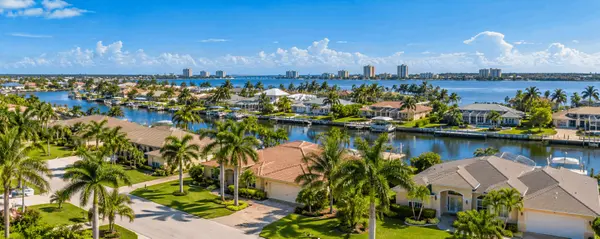
Three factors make Cape Coral pricing uniquely complex: flood zone designation, one of the most extensive canal systems in the world, and insurance costs that vary dramatically from one street to the next. A buyer's monthly payment isn't just about your list price. It's about the combined weight of mortgage, homeowners insurance, flood insurance, property taxes, and any HOA fees, all of which are above-average in this market. Sellers who ignore those carrying costs when setting a price consistently generate fewer offers than they expect.
Lee and Hendry County single-family homes had a median closed sale price of $368,999 in July 2026, with a median of 55 days on market (DOM). That figure covers the broader two-county market. Your specific pricing target depends on the sub-factors below: flood zone, water access type, section of the city, and condition all move the needle significantly within that range.
How to Price Your Cape Coral Home Using Comparable Sales: Not List Prices
The most important thing to understand about Cape Coral right now: The gap between what sellers ask and what buyers actually pay is real and measurable. As of June 2025, the sale-to-list ratio in Cape Coral was 97.7%, meaning the typical seller accepted roughly 2–3% below asking price. That gap widens considerably when a home sits and requires one or more price reductions before it sells.
The right starting point is a Comparative Market Analysis (CMA) built on actual closed sales, not active listings. Active list prices reflect what other sellers hope to get. Closed sales reflect what buyers actually paid. Those are two different numbers in the current Cape Coral market.
A sound CMA looks at:
- Closed sales within the past 90 days, within a half-mile to one-mile radius where possible
- True comparables by property type: Gulf-access waterfront, freshwater canal, and non-waterfront homes are three distinct submarkets in Cape Coral, each with its own price ceiling. Pricing a freshwater canal home using Gulf-access comps will leave you dead in the water (no pun intended).
- Condition and finishes: Post-hurricane renovations, updated roofs, impact windows, and generator hookups carry measurable value in this market. So does a dated kitchen or an older roof in a climate where insurers care deeply about those details.
- Section and location within Cape Coral: Southeast Cape Coral, with its older established neighborhoods closer to Fort Myers, prices differently from the northwest Cape's newer construction areas. Get comps from your section, not just from the city overall.
For a sense of where Cape Coral-specific prices have been tracking: June 2025 median sale price of $361,975 for Cape Coral single-family homes, with 3,046 homes for sale and 7.3 months of supply, a clear shift toward buyer's market conditions. A section-level CMA will tell you where your specific home fits within that picture.
The Insurance Variable That Changes Your Effective Price
Flood zone designation and insurance cost are not background details for a Cape Coral seller. They are central underwriting variables for your buyer.
Here is why it matters directly to your pricing: a buyer financing a home in a high-risk AE flood zone must carry flood insurance as a mortgage condition. Published NFIP premium analyses for Cape Coral put the city's average annual flood insurance cost at $1,709 as of 2026, well above Florida's statewide average of $938 per year. On Gulf-access canal properties or those with elevated flood risk, annual premiums can run several thousand dollars higher than that average, depending on the property's flood zone, elevation certificate, and construction year.
Cape Coral participates in FEMA's Community Rating System (CRS) at a Class 5 level, which qualifies policyholders in high-risk zones for a 25% discount on NFIP premiums (City of Cape Coral). That discount is meaningful, but buyers will still look at their projected insurance costs and adjust what they can offer. Buyers should confirm their property's current eligible discount with their flood insurance agent, as CRS ratings are subject to periodic FEMA review.
The practical pricing implication: If your property carries high flood insurance costs, your effective price ceiling is lower than an identical home in a lower-risk zone. Buyers working with a lender will be shown exactly how much insurance affects their qualifying amount. Price without accounting for this reality, and you will see offers come in well below asking, or not at all.
For sellers, knowing your property's flood zone and current insurance cost before you list is not optional preparation. It is the foundation of an honest pricing conversation.
How Overpricing Costs You Money in Cape Coral
There is a persistent myth among sellers that listing high gives you "room to negotiate." In a balanced or buyer-leaning market like Cape Coral's, the opposite is true. Overpricing doesn't create negotiating room. It creates days on market (DOM). And in real estate, days on market (DOM) cost money.
With 7.3 months of supply as of June 2025, a level that puts buyers firmly in the driver's seat, a buyer who sees a home that has been sitting for 60, 90, or 120 days doesn't think "great deal waiting to happen". They think "something must be wrong with it," or they simply wait for another price cut.
Homes priced accurately at or just below recent closed comparable sales in Cape Coral are moving. Homes that chase a number higher than what buyers will support are not, regardless of how well-presented they are.
The cost of overpricing compounds over time:
- Carrying costs (mortgage, insurance, taxes, utilities) continue while the home sits
- Price reductions can signal desperation to buyers, reducing your negotiating position further
- The final net proceeds on a home that required two price cuts and 120 days on market (DOM) are typically lower than what a realistic list price would have yielded from day one
Set the price where the buyers are, not where you wish they were.
What Cape Coral Property Type Means for Your Pricing Strategy
Cape Coral is not one market. It is several overlapping submarkets, and pricing correctly means knowing which one you're in.
| Property Type | Typical Buyer Pool | Primary Value Drivers |
|---|---|---|
| Gulf-access canal | Boaters, second-home buyers | Direct vs. indirect access, lock-free route to open water |
| Freshwater canal | Water-view seekers, small watercraft owners | View, dock size, proximity to amenities |
| Non-waterfront | Primary residents, mid-range buyers | Condition, school zone, lot size, price per square foot |
Gulf-access canal homes command the highest premiums. Direct Gulf access (where a boat can travel from the home's dock to open water without passing through a lock or bridge) is priced at a meaningful premium over indirect access. The Chiquita Lock, which restricted access for many southwest Cape addresses, was permanently removed in June 2025, reclassifying some previously indirect-access properties to direct access. If your property was affected, this is worth confirming and communicating clearly to buyers.
Freshwater canal homes are a separate product category. They offer a water view and dock access for small watercraft, but not boating access to the Gulf. Pricing them against Gulf-access comps is a common mistake that leaves listings sitting unsold.
Non-waterfront homes make up the bulk of Cape Coral's mid-range inventory. For this segment, condition, school zone, proximity to commercial corridors, and lot size are the primary value drivers. New construction is a relevant competitive factor here: Cape Coral has seen significant builder activity, and buyers in the mid-range segment often compare resale homes directly against new builds. If your home competes with new construction in its price range, condition and preparation matter more than ever.
HOA Fees, Property Taxes, and the Full Cost of Ownership
HOA fees and property taxes are two more variables that affect your effective price ceiling, and both are worth understanding before you set your number.
If your home is in a community with an HOA, buyers will add that monthly fee to their affordability calculation. A significant HOA fee effectively reduces the maximum mortgage payment a buyer can carry at a given income level, which translates to a lower price ceiling for your property. Be prepared to provide accurate HOA fee information upfront. Surprises in this area create friction late in a transaction and can cost you a deal.
Property taxes in Lee County are relatively competitive, but buyers purchasing at a price higher than recent comparable sales will face a tax bill based on their new assessed value, not the seller's long-standing homestead assessment. For mid-range homes, that difference can run from several hundred to over a thousand dollars per year. Informed buyers will factor this in. Your pricing should reflect realistic carrying costs for the buyer, not just your own current expenses.
Inspections, Resale Value, and What Buyers Are Actually Calculating
Two more factors sellers in Cape Coral often underestimate: the impact of property condition on buyer offers, and how your asking price affects your buyer's future resale position.
When buyers walk through a home in Southwest Florida, they're mentally tallying more than the asking price. Roof age, HVAC condition, and any deferred maintenance are items that experienced buyers (and their agents) will flag for negotiation or build into their offer. A home with a roof that's 10 years old in a coastal market where insurers are increasingly scrutinizing replacement timelines will attract lower offers, because buyers know they'll be absorbing those costs. Pricing without accounting for your home's actual condition relative to comparable sales is a common reason offers come in below expectations.
Resale value is the other consideration that doesn't get enough attention. In a market where flood insurance costs, HOA fees, and property taxes collectively create a high cost-of-ownership environment, buyers are increasingly cautious about overpaying, because they know their future buyer will face the same headwinds. A seller who prices at or slightly below recent closed comparables is more likely to attract a buyer who feels confident in the purchase and can close cleanly, rather than one who second-guesses the deal and backs out.
The Steps to Pricing Your Cape Coral Home to Sell
A well-priced Cape Coral home follows six steps, starting with a CMA built on closed sales, not active list prices.
- Get a data-backed CMA from a local agent who pulls closed comps specific to your property type, flood zone, and section of Cape Coral. National averages and general market overviews will not tell you what your specific home is worth to today's buyer.
- Know your flood zone and current insurance cost. Pull your elevation certificate if you have one. This information directly affects what buyers can and will offer.
- Review your HOA documents and confirm current fees. Buyers will ask, and having this ready signals a well-prepared seller.
- Understand your competition. How many active listings are within a half-mile or one mile in your price range and property type? Browsing active Cape Coral listings gives you a ground-level view of what your home is competing against on every buyer's showing list.
- Price at or just below closed comparable sales, not active list prices. The gap between what sellers ask and what buyers pay in Cape Coral is real. Start on the right side of it.
- Commit to the price. A home that is listed, reduced, re-listed, and reduced again loses market momentum. One accurate price from day one is almost always more effective than a high launch followed by a series of cuts.
Ready to price your Cape Coral home with confidence?
Start with a home valuation built on current closed sales in your section of the city. You can also connect to a realtor that can help you with all the things you need to know about Cape Coral properties. Call Elizabeth Steele at +1(239) 370-5988 and get the property that suits you well.
Frequently Asked Questions
How is the Cape Coral real estate market affecting home prices right now?
Cape Coral's market continues to favor buyers: as of July 2026, Lee and Hendry County single-family homes were selling at a median of $368,999 with 55 days on market (DOM) and 5,935 active listings. That's a meaningful shift from the June 2025 picture, when Cape Coral single-family homes carried a $361,975 median sale price and 7.3 months of supply. With that much inventory competing for a selective buyer pool, homes priced in line with recent closed sales are transacting. Those priced ahead of the market are sitting, often requiring reductions before they find a buyer.
Does flood zone designation affect how I should price my Cape Coral home?
Flood zone is one of the most important pricing factors specific to this market, and its effect on buyers is direct. Published NFIP premium analyses for Cape Coral put the city's average annual flood insurance cost at $1,709 as of 2026, nearly double Florida's statewide average of $938 per year. For properties in higher-risk AE zones or on Gulf-access canals, annual premiums can run higher still. Because lenders require flood insurance for homes in Special Flood Hazard Areas, buyers factor that cost directly into their qualified purchase price. A property carrying a $4,000 or $5,000 annual flood premium costs a buyer meaningfully more per month than a comparable home in a lower-risk zone. Your pricing needs to reflect that math.
What is the difference between pricing a waterfront and a non-waterfront home in Cape Coral?
Direct Gulf-access canal homes, freshwater canal homes, and non-waterfront properties are three distinct submarkets in Cape Coral, each with its own buyer pool and price range. Comparing across those categories when setting a price leads to significant mispricing. A waterfront premium exists, but the type of waterfront matters as much as the fact of it: Gulf-access commands a larger premium than freshwater canal, and direct access commands more than indirect access. Your CMA should compare you only to genuinely similar properties, by water type, access type, and section of the city.
Why do some Cape Coral homes sit on the market for months?
Overpricing relative to what buyers are paying is the most consistent reason, according to local real estate professionals quoted by the Cape Coral Breeze (July 10, 2025). With months of inventory at levels that favor buyers, a home priced above recent closed sales receives few showing requests, because buyers have enough options to simply move on. Secondary factors include deferred maintenance, unresolved insurance challenges, and HOA fees that buyers calculate as adding meaningfully to their total monthly cost. Visible deferred maintenance or an aging roof in a coastal market gives buyers additional reason to negotiate aggressively or walk away.
How should I think about HOA fees when pricing my Cape Coral home?
HOA fees reduce the effective mortgage payment a buyer can qualify for at a given income level. A $400 or $500 monthly HOA fee is not invisible to the market: buyers add it to their monthly cost calculations, which means your home's effective price ceiling is lower than a comparable home without an HOA or with lower fees. In communities where fees are on the higher end, pricing without accounting for this is one of the reasons sellers sometimes receive fewer offers than expected, or offers that come in lower than the asking price.
Categories
Recent Posts